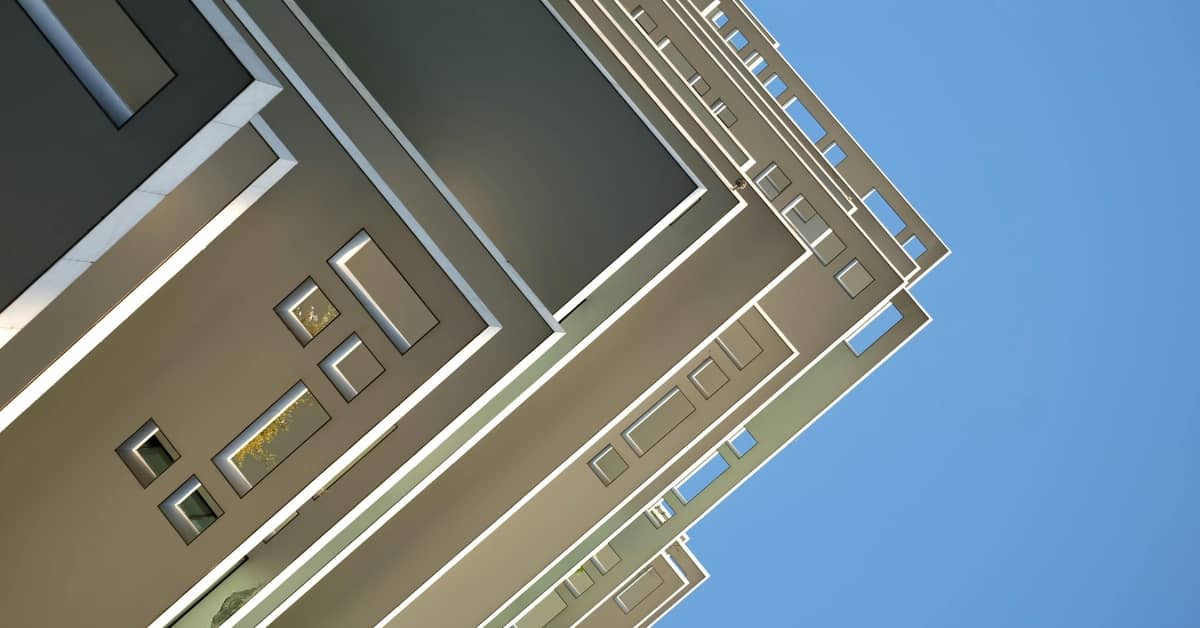
In architecture and design, the portfolio has long been treated as a purely visual object. Considerable time and budget go into selecting the right light, the right photographer, the right framing to capture a chromatic detail or the precision of a minimalist finish. The image is expected to carry the full weight of communication — on the assumption that good architecture speaks for itself.
This approach has a structural limitation when it moves into the digital space. A website without substantive written content strips a practice of its most important voice, turning what could be a methodological statement into a silent catalogue.
Building effective architecture websites is not an exercise in visual layout. To function as a tool for positioning and professional growth, the platform needs to emerge from clear strategic planning. Before selecting which projects to show or defining the graphic design, it is necessary to establish the direction of communication, identify the intended audience and understand how different types of content interact with one another.
The most common mistake is replicating standardised formats borrowed from visual-sharing platforms, forgetting that a professional website must respond to entirely different logics of visibility, authority and reach. Balancing strong imagery with structured written content is the first step in transforming a static showcase into a channel capable of generating real value.
Beyond Aesthetics: Setting Goals for Your Digital Presence
When designing a website, the dominant impulse is to focus almost exclusively on the visual interface. But an effective communication strategy requires a preliminary reflection that precedes any choice of colours, fonts or templates. The priority is to establish, with precision, what the site is actually meant to achieve — because everything else, from information architecture to navigation structure, depends on this.
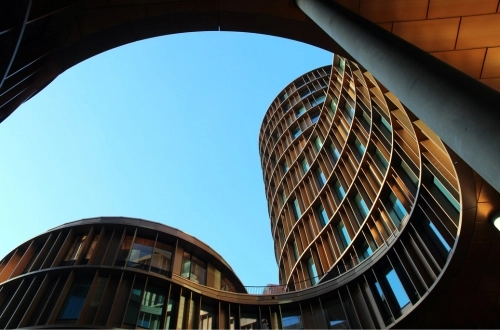 The goals of an architecture website vary considerably depending on the practice’s structure, maturity and commercial vision. Three strategic directions are worth considering.
The first is the consolidation of institutional authority. Here, the website must function as a cultural and methodological reference point — demonstrating not only the quality of completed work, but the rigour of the thinking that generated it. The focus is on depth and coherence.
The second is positioning within a specific market niche. If a practice intends to specialise in complex sectors such as contract hospitality, luxury retail or sustainable construction, the platform must be structured to foreground vertical expertise in that area — and to de-emphasise projects that fall outside it.
The third is attracting major clients or institutional investors: an audience that requires concrete evidence of budget management capability, adherence to timelines and the ability to navigate complex regulatory or structural constraints.
Building a digital presence without having prioritised these goals leads to a hybrid, unfocused tool. Clarity about commercial and communicative objectives is the only criterion that allows you to select the right content, define the hierarchy of pages and structure a logical navigation path. From this strategic foundation, implementing digital marketing for architecture becomes possible — turning your online presence into a concrete positioning asset.
Mapping Your Audience on Architecture and Design Websites
Once the strategic objectives are in place, the next step is mapping and understanding the actual audiences who will visit the site. The design and architecture websites that perform best in terms of search visibility and incoming enquiries are those that modulate their content according to the specific needs of very different types of visitors. Three broad categories of users visit a professional practice’s website — and each looks for something different.
- End clients — private individuals or companies — make up the first category. This audience, in most cases, lacks the technical background to read a floor plan, a survey drawing or a geometric elevation with any confidence. Their search for reassurance shifts instead towards process-related factors: how the practice approaches spatial distribution problems, how it optimises natural light, how it selects materials for long-term durability. Written content that addresses these concerns directly is far more persuasive than technical drawings alone.
- Design brands, manufacturers and general contractors form the second category. These actors are looking for reliable technical partners — practices capable of working with production processes and integrating industrial products or bespoke solutions into complex projects. Their evaluation is based on demonstrated precision and methodological seriousness.
- The professional community, sector journalists and cultural communicators make up the third category, and the one most frequently overlooked. This group visits websites in constant search of strong case studies, innovative construction details or formally interesting solutions to review, cite or include in publications and educational programmes. A portfolio that gives them nothing to work with is a missed opportunity.
Ignoring these different levels of reading means building a site that speaks only to peers — and missing the chance to reach the actual economic decision-makers and the amplifiers of brand visibility.
The Architecture Portfolio: Integrating Photography, Imagery and Text
The operational core of any professional architecture website is, inevitably, the projects section. Architectural photography plays a fundamental role here: it is the visual tool that captures immediate attention, conveying the chromatic quality of materials, the balance of proportions and the handling of volumes in space.
 However, relying exclusively on images — however technically excellent — creates a communicative barrier. Photography describes the finished state of a project. It is only through carefully written, SEO-optimised content that a practice can explain its deeper value to both audiences and search engines. This works along three distinct strategic axes.
Clients and the communication of value
For a potential client, a series of images without descriptive text is genuinely difficult to evaluate. Written content in the portfolio translates visual language into clear, persuasive arguments.
Describing the original brief, articulating the spatial challenge posed by a complex floor plan, and detailing the insight that allowed a structural constraint to be overcome: all of this shifts the perception of the practice.
It is no longer seen as a supplier of aesthetic solutions, but as a strategic consultant capable of managing complexity and generating real economic and spatial value through design.
Search engines and semantic relevance
From a purely technical SEO perspective, written content is the raw material for indexing. Google’s crawlers cannot interpret the formal quality or geometric precision present in images. The algorithm reads and categorises text.
Writing about architecture — incorporating accurate terminology around materials, construction systems, lighting solutions and interior design choices — gives search engines the semantic context they need. Used naturally and consistently, these descriptions allow a portfolio to rank for specific, qualified searches, building long-term organic stability.
Media coverage and the problem of silent content
There is also a practical dimension related to PR and digital media relations. Those who write for specialist publications, produce content for professional associations or curate training programmes for licensed architects are constantly in search of well-documented material. When visiting architecture websites looking for projects to feature, the most common obstacle is a portfolio that is entirely silent.
The absence of any description of methodology, objectives, technical specifications or material choices makes a project unusable for citation or publication purposes. Writing accurate, detailed text for your portfolio is, in practical terms, preparing the ideal material to facilitate word-of-mouth and spontaneous coverage in trade press and professional development circuits.
A New Approach to Communication for Architecture Practices
Rethinking the digital channels of an architecture practice can no longer be delegated to purely aesthetic decisions. Understanding how to balance the expressive power of photography with the documentary rigour of written content is the real lever for moving beyond visual anonymity on the web.
This integrated approach transforms a simple showcase into a strategic platform: one capable of communicating effectively with search engines, providing sector communicators with the material they need, and conveying the methodological authority that more demanding clients require.
Ready to build a strategic digital presence for your studio?