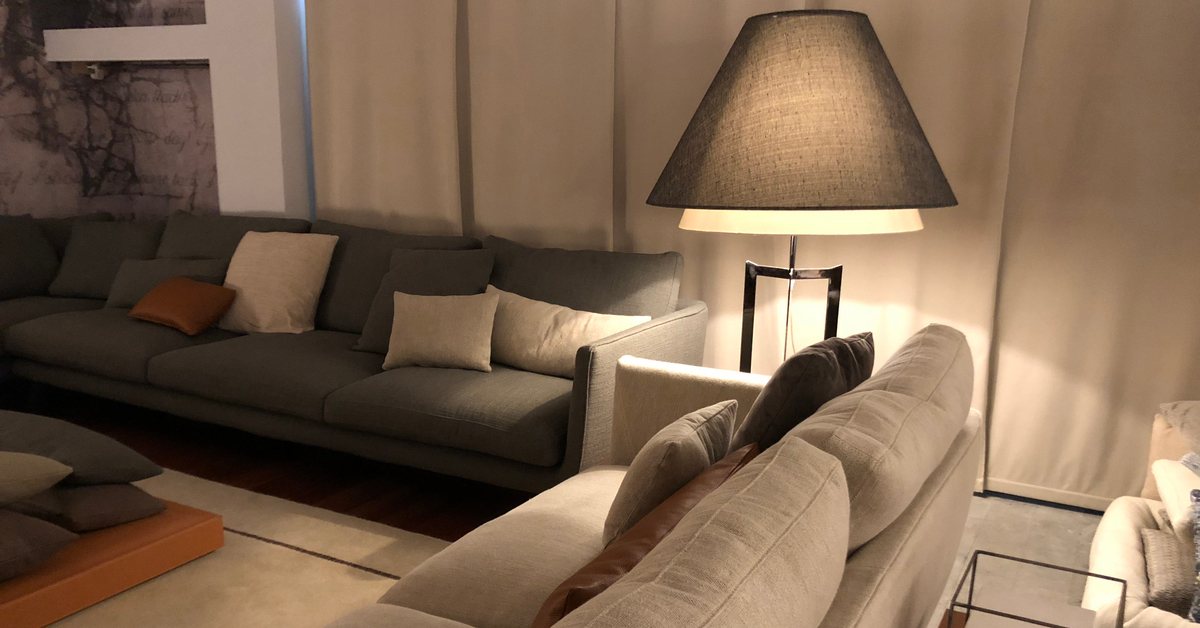
Why talk specifically about digital marketing for furniture business? The answer lies in the web’s surprising evolution as an interactive and dynamic showcase. Today, it is no longer enough to simply be present: businesses need to stand out. In the vast digital ocean, the real challenge is reaching the right audience—architects and designers, large investment companies, angel investors, or potential commercial partners. To achieve this, it is essential to provide valuable content, a smooth and personalized user experience, and to leverage the power of the web to build authentic connections and trust, turning each visit into a real growth opportunity.
Within the world of Italian design brands, we can distinguish two categories: large companies and SMEs, which represent the majority. Doing communication for SMEs requires a specific and customized approach. Tailored strategies not only optimize the marketing budget but also help make the brand more recognizable and competitive in the market.
[Cover photo: Yuki Lamp for Dema Firenze, design by Azzurra Bimbi]
4 Digital Marketing Strategies for Furniture Companies
With many years of experience as a designer, I have gained deep insight into market dynamics. I know well that a well-structured digital marketing for furniture business plan can make a real difference for design brands, allowing them to emerge by maximizing their strengths.
The furniture and interior design sector in Italy is internationally recognized for its excellence. Made in Italy represents quality, innovation, and strong cultural identity. However, this also means that the market is highly competitive, and entering it is not easy for foreign brands. A successful Italian market entry requires more than just visibility: it demands a clear digital marketing for furniture business strategy to stand out and connect with the right audience.
Here are four of the most effective activities in terms of cost-benefit ratio, designed specifically for the furniture and interior design business.
1. Brand Awareness
Brand awareness means how recognizable your brand is to your target audience, and it depends on highlighting the brand’s distinctive features.
Building and measuring brand awareness is essential, especially in saturated markets. Applying targeted digital marketing for interior design businesses helps improve perception and recognition.
Tone of voice, value proposition, a deep knowledge of the target audience, and competitor analysis are only some of the ingredients of effective online marketing for design brands.
The goal is to make your brand the go-to solution for its niche market. Some of the most effective activities include:
- Creating a design blog on your website: it increases authority, builds trust, and fosters community engagement.
- Organizing webinars or training events on trending topics: this boosts visibility and supports lead generation.
- Attending trade fairs: they enhance brand visibility, support public relations, and allow brands to experiment with storytelling or experiential marketing.
- Collaborating with architects and designers: a win-win partnership. Companies gain fresh ideas and real-time feedback on market trends, while professionals gain visibility and references.
2. SEO Optimization for Furniture Websites
Doing SEO marketing for furniture and design has become increasingly important as optimization now extends beyond text to images, metadata, internal linking, and technical structure. Unfortunately, SEO has often been misunderstood as mere keyword repetition—a misconception never endorsed by users or search engines.
With years of experience in SEO and Local SEO, I know how powerful it can be both for visibility and performance. A solid digital marketing for furniture business strategy always includes SEO. It is a complex discipline requiring analytical skills, technical knowledge, and writing expertise. This is why working with an SEO specialist who understands the design sector can generate better results faster and more cost-effectively.
3. Social Media Marketing
Having a Facebook page or Instagram account is not enough: turning social channels into real communication tools requires a clear strategy. The goal is not just visibility, but building an authentic furniture marketing strategy that resonates with your audience.
Let’s go through some key checks:
- Why invest in social media marketing? Because it strengthens brand positioning and community building, beyond vanity metrics like followers.
- Which platform works best? It depends on where your stakeholders are. The right channel is the one your audience uses.
- How to build a brand community? Creating a cohesive group that shares the brand’s values is essential in today’s crowded online space.
- SEO for Social Media: well-optimized posts on LinkedIn, Instagram, Facebook, and YouTube are not only visible within the platforms but are also indexed by Google.
- Social Media Analytics: measuring results goes beyond likes. Analytics provide insights into engagement and brand sentiment.
Social media marketing for furniture businesses is a powerful way to gather market feedback, foster interaction, and strengthen networking with potential clients and stakeholders. As part of a comprehensive digital marketing for furniture business plan, it ensures consistency across all channels.
4. Google Ads Campaigns
Among digital marketing strategies for furniture companies, search engine advertising plays a major role. While common in e-commerce, it also works well for design brands that do not rely solely on online sales. Once SEO is in place and traffic is generated via social channels, allocating part of the marketing budget to Google Ads is a smart step.
Keyword research should include both high-volume and niche keywords. The latter may seem less relevant but often capture highly specific purchase intent. Proper audience targeting is another key to maximizing ROI.
A good strategy is to start with low-budget campaigns, allowing Google to optimize delivery, and then scale up investment based on real performance.
Conclusions: Future Trends
In conclusion, digital marketing for furniture business is a strategic lever for growth in a competitive market. From building strong brand awareness to SEO optimization, from social media to Google Ads, each tool contributes to creating an effective digital ecosystem.
Looking ahead, trends suggest a growing integration of immersive technologies (like augmented reality) with marketing strategies. Moreover, the use of data and AI will allow brands to personalize user experiences even more, turning the furniture sector into an interactive and engaging digital space.
For design companies aiming to succeed, investing in a robust marketing strategy for furniture business that combines SEO-GEO, social media, and advertising is not optional—it’s the only way to gain visibility, credibility, and long-term growth.
Ready to grow your design brand? Let’s build your tailored digital strategy together.